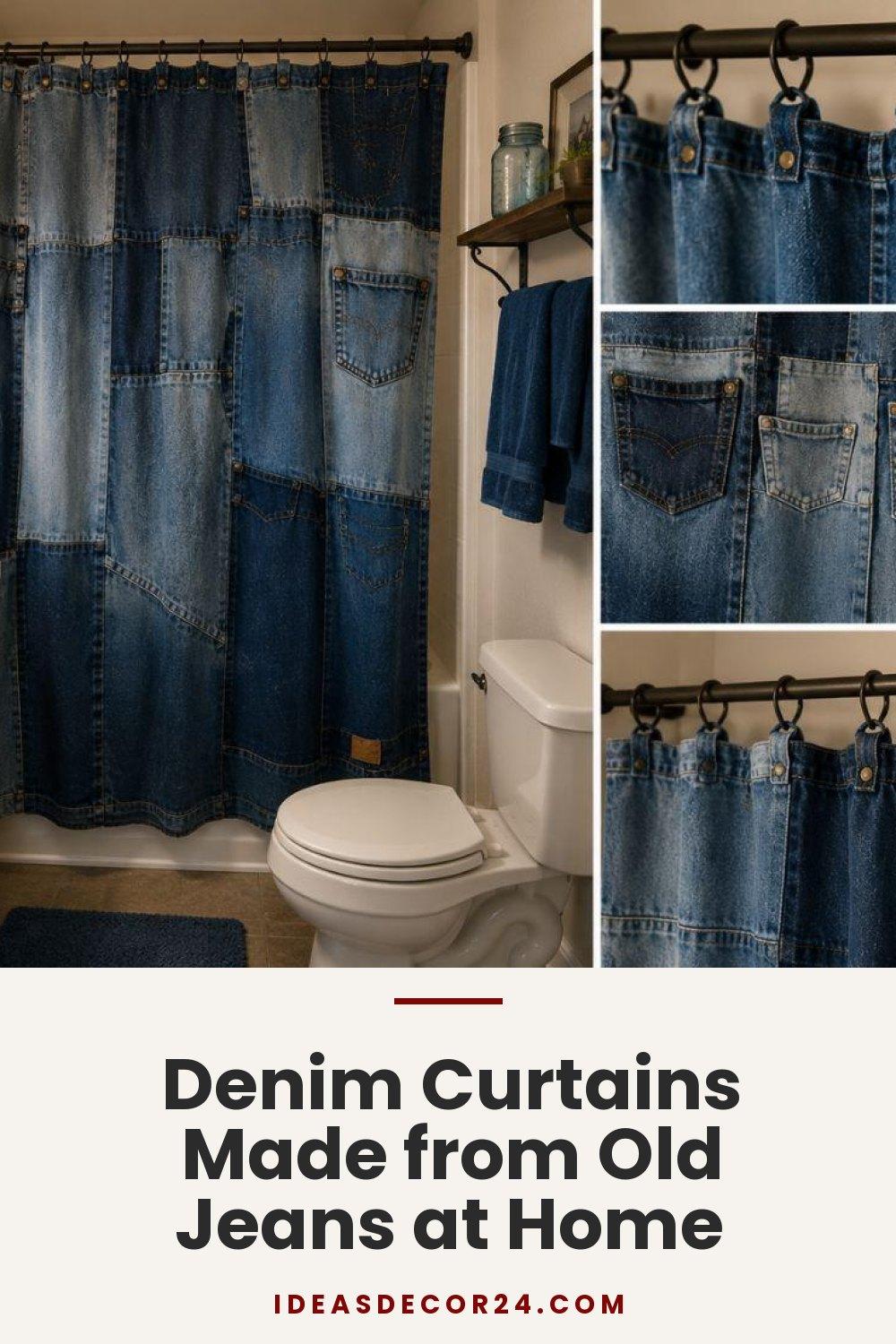
Denim Curtains Made from Old Jeans at Home

Ever thought about what to do with old jeans? Instead of throwing them away, you can make them into beautiful curtains. Creating curtains from old jeans is a great way to add style and sustainability to your home.
This project turns old jeans into something new and useful. You'll find that denim adds a special texture and lasts long.
Plus, you don't need to be a pro at sewing to make them look great.

Making your home sustainable has never been easier or more fun. DIY jean curtains add a personal touch and save money. The denim's natural color and strong fabric make any room look cozy yet stylish.
Old jeans can do more than just sit in your closet. They can become eye-catching curtains. This guide will teach you how to turn denim into beautiful upcycled curtains that show off your creativity.
How to Make Curtains Made From Old Jeans Step-by-Step
Ready to turn old jeans into curtains? Let's go through each step together. Making curtains from jeans might seem hard, but it's easier when you break it down. This guide will help you make beautiful curtains that show off your style.
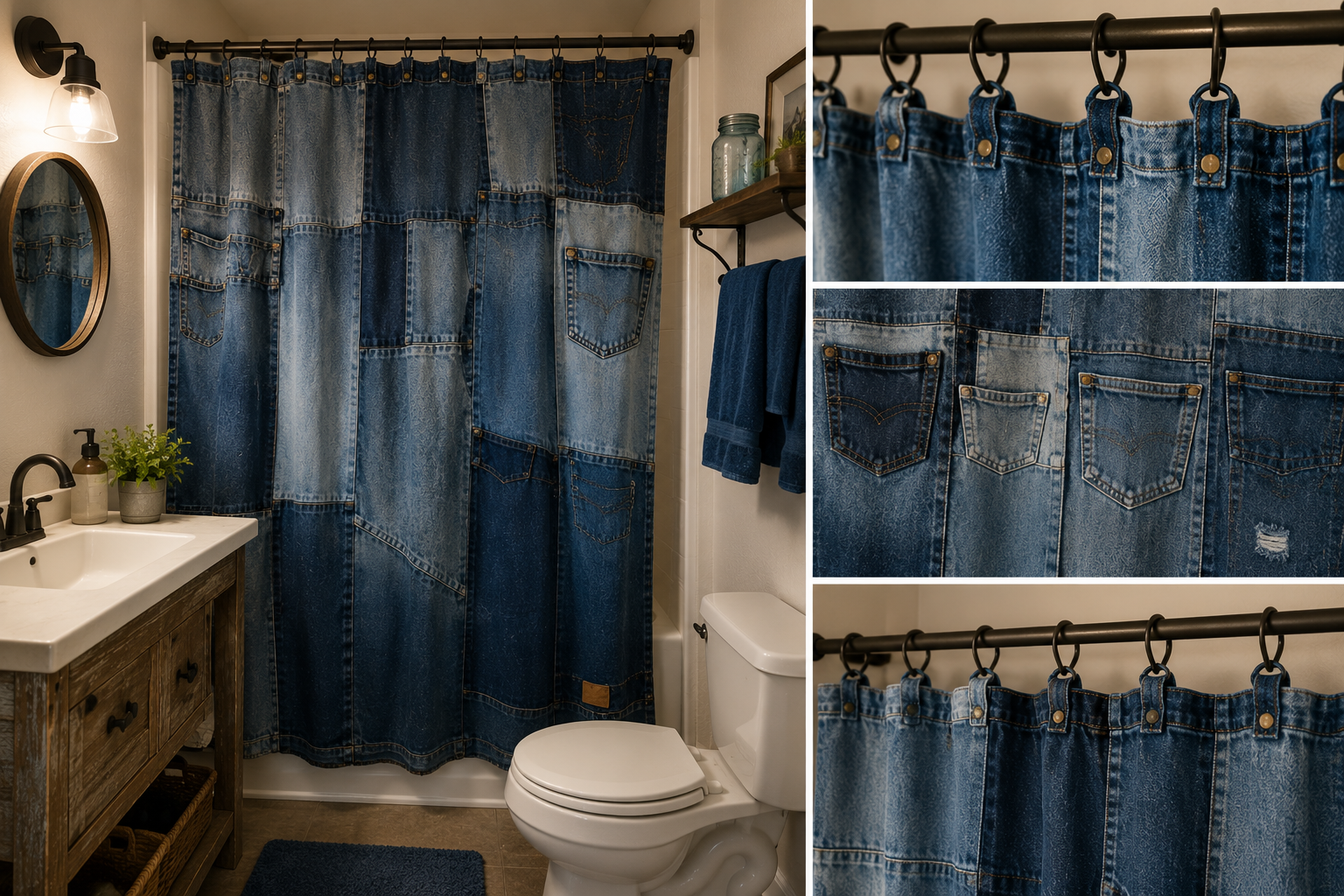
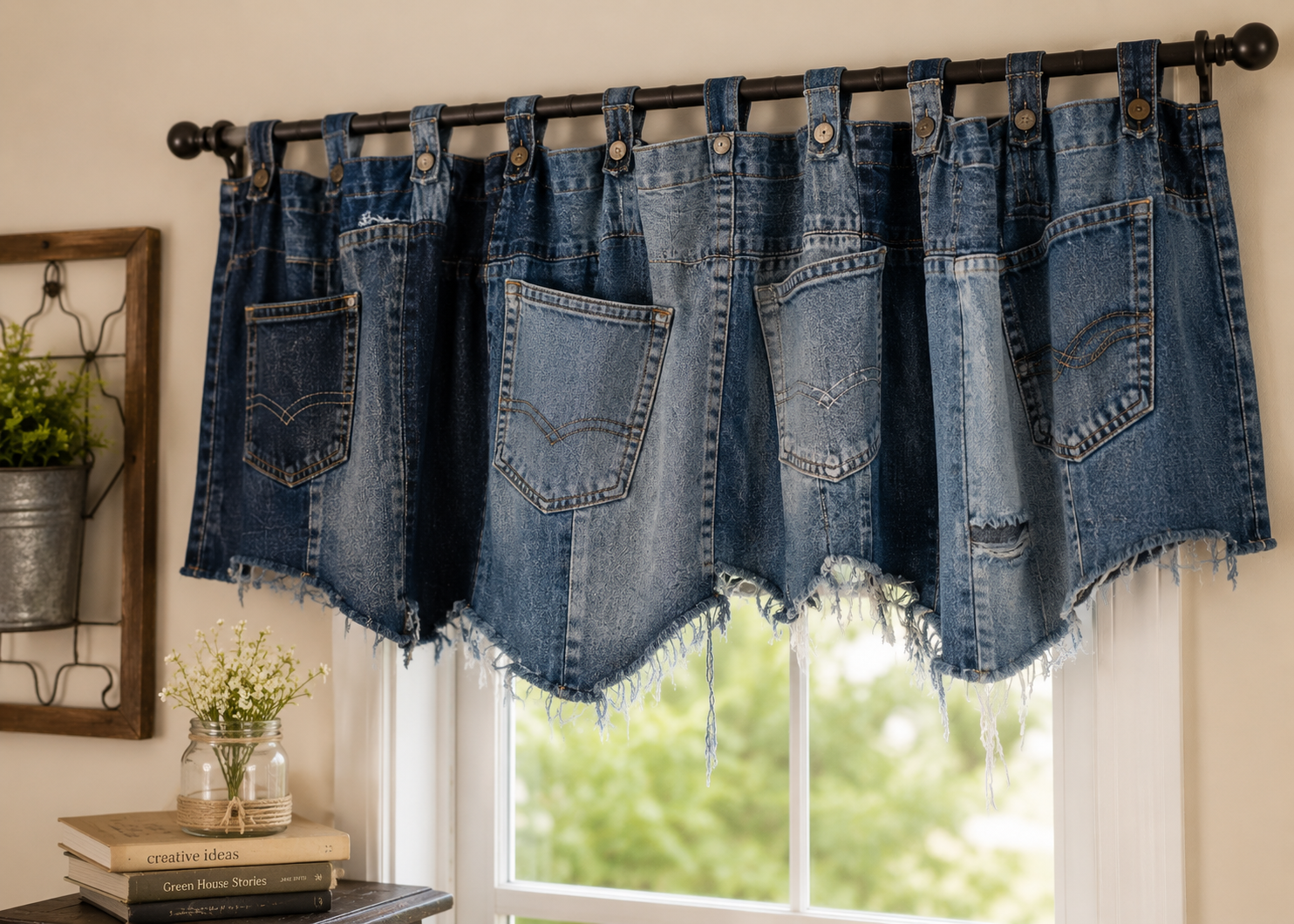
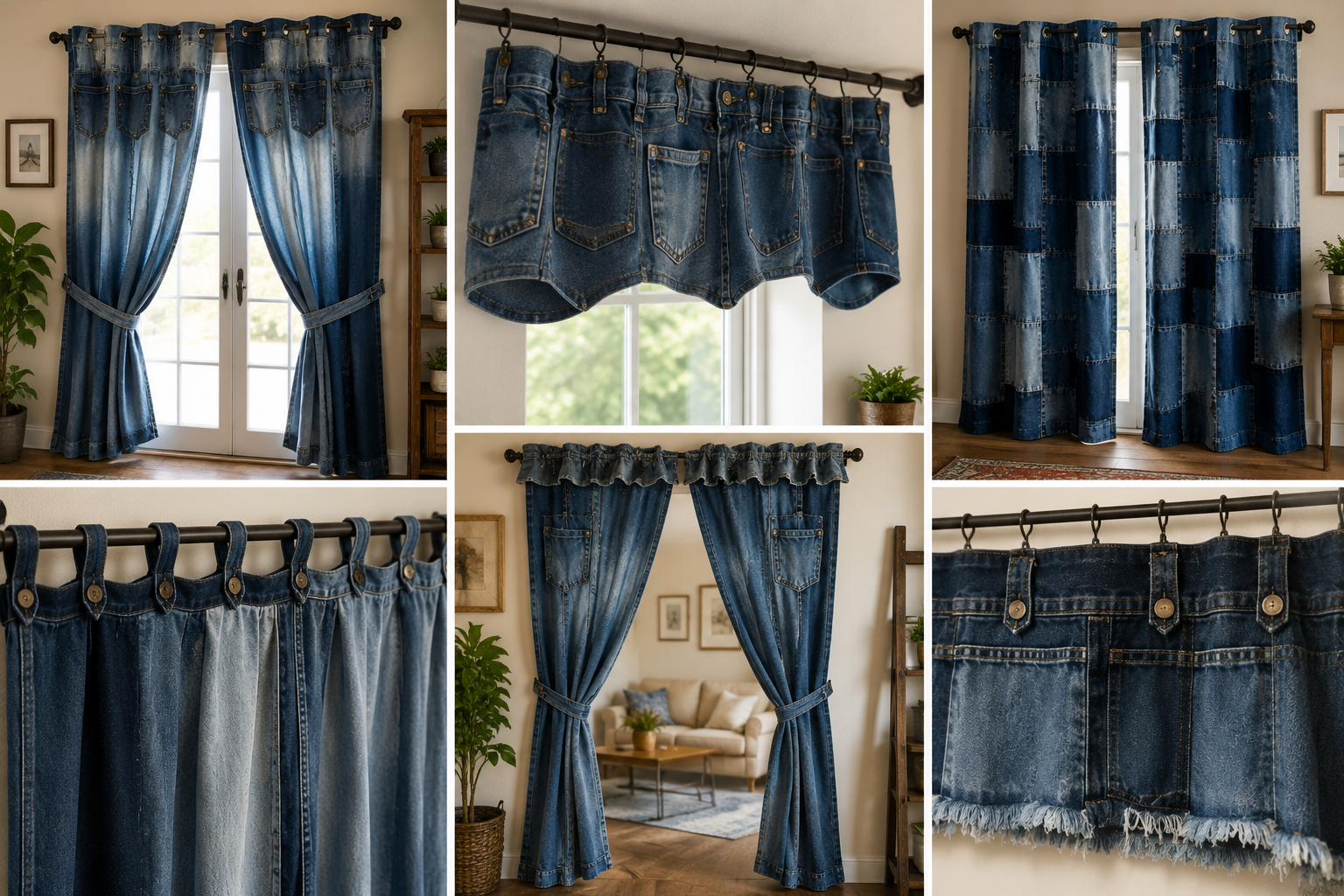
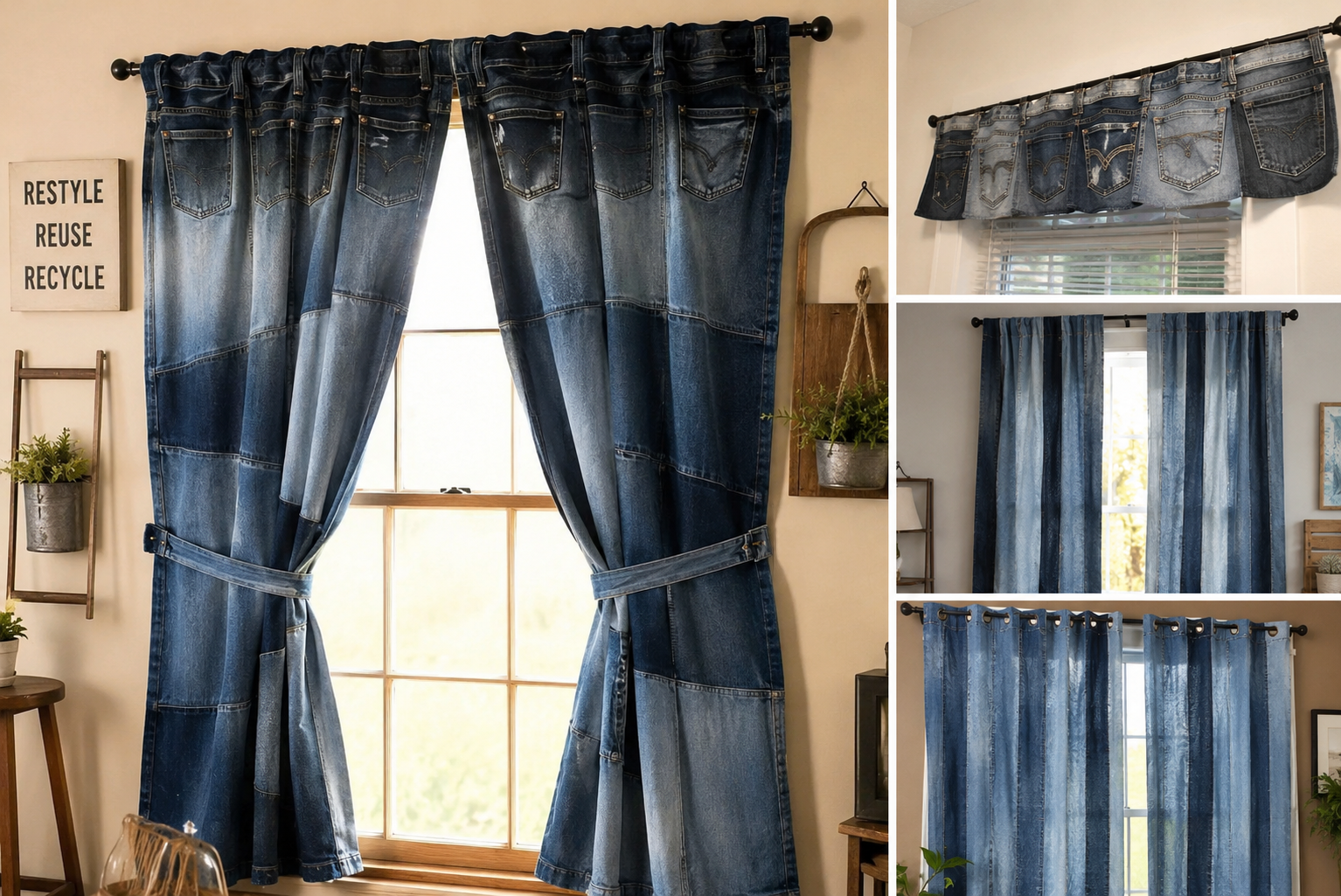
Gathering Your Materials and Tools
Start by getting everything you need before you begin. Having all your materials ready prevents interruptions. Most things you need are probably in your home or at local craft stores.
Choosing the Best Jeans for Your Project
Not all jeans are good for making curtains. Medium to heavyweight jeans work best for structure and light control. Look for jeans without stains, tears, or too much wear.
Think about the color you want. Matching shades of blue look sophisticated in modern spaces. Mixing washes creates an eclectic look for casual rooms.
You can mix denim weights in one project. Use heavier denim for main panels and lighter for accents. Adult jeans give more fabric than kids' sizes, making your project faster.
Essential Sewing Supplies and Equipment
You'll need a sewing machine with a denim needle. These needles handle thick fabric well. Use heavy-duty thread in matching colors for strong seams.
Sharp scissors or a rotary cutter with mat help cut denim fast. A seam ripper is great for removing seams. Keep measuring tape, straight pins, and an iron ready.
If you don't have a sewing machine, hand-sewing works too. It takes more time but is doable. Use a thimble to protect your fingers when sewing through denim.
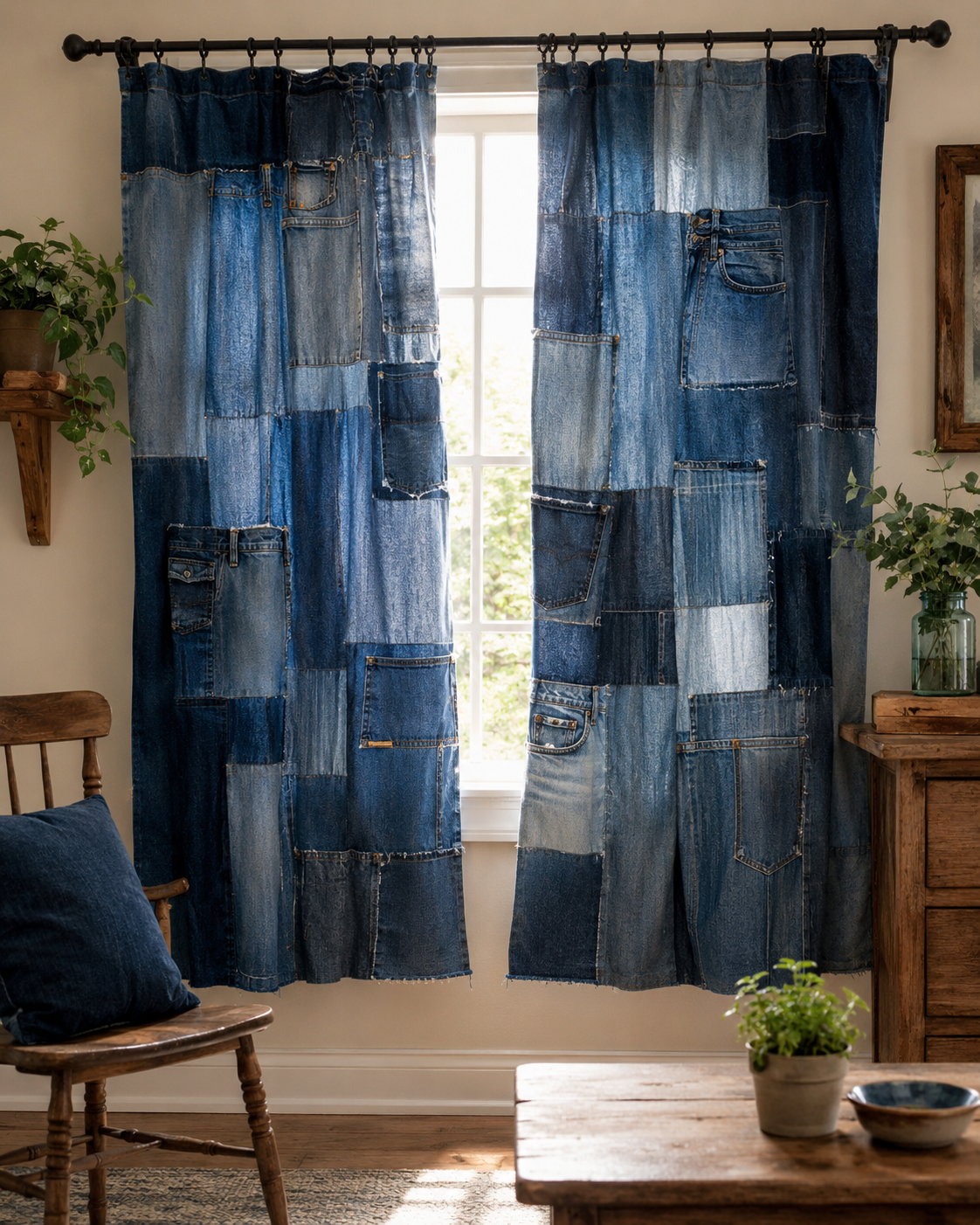
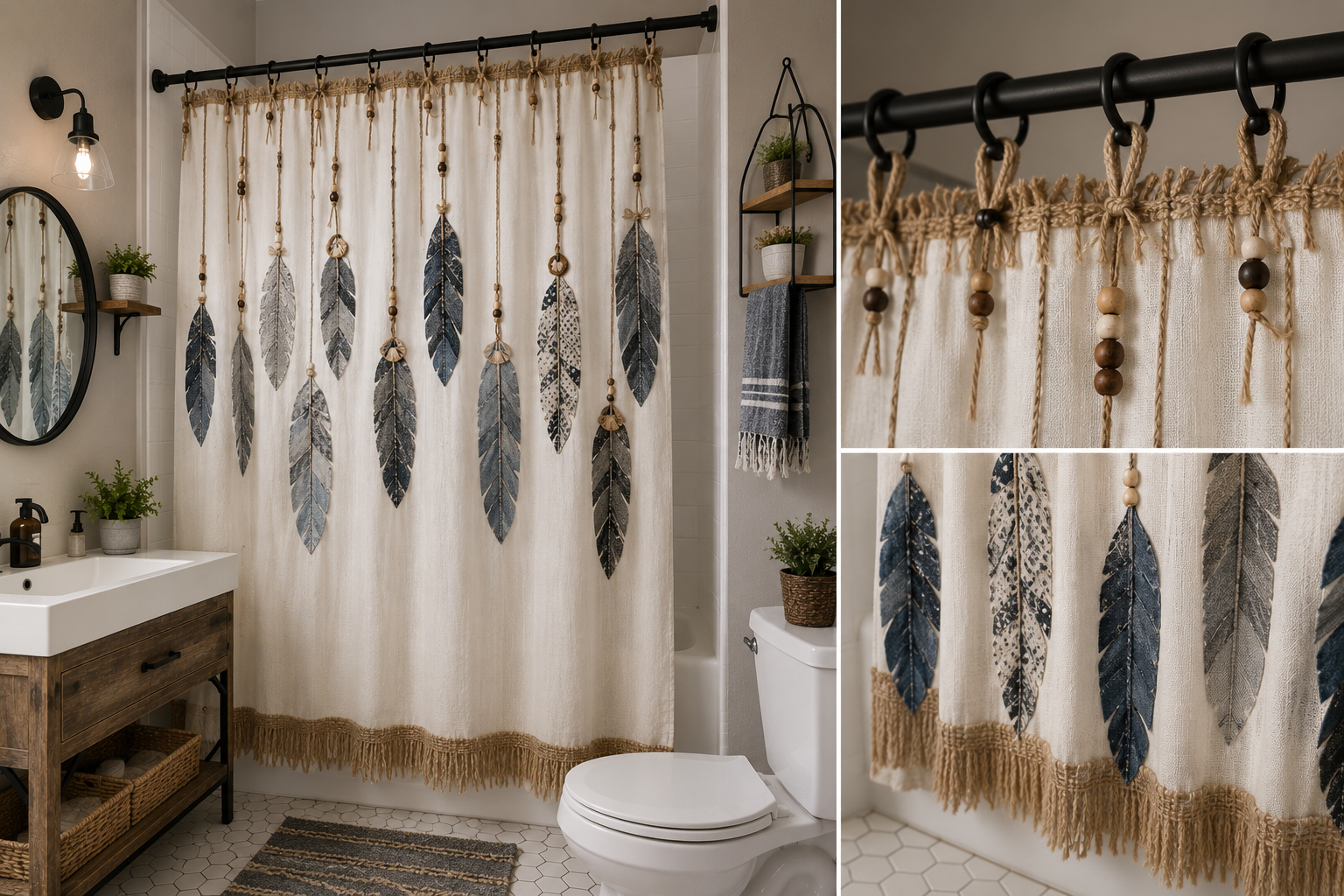
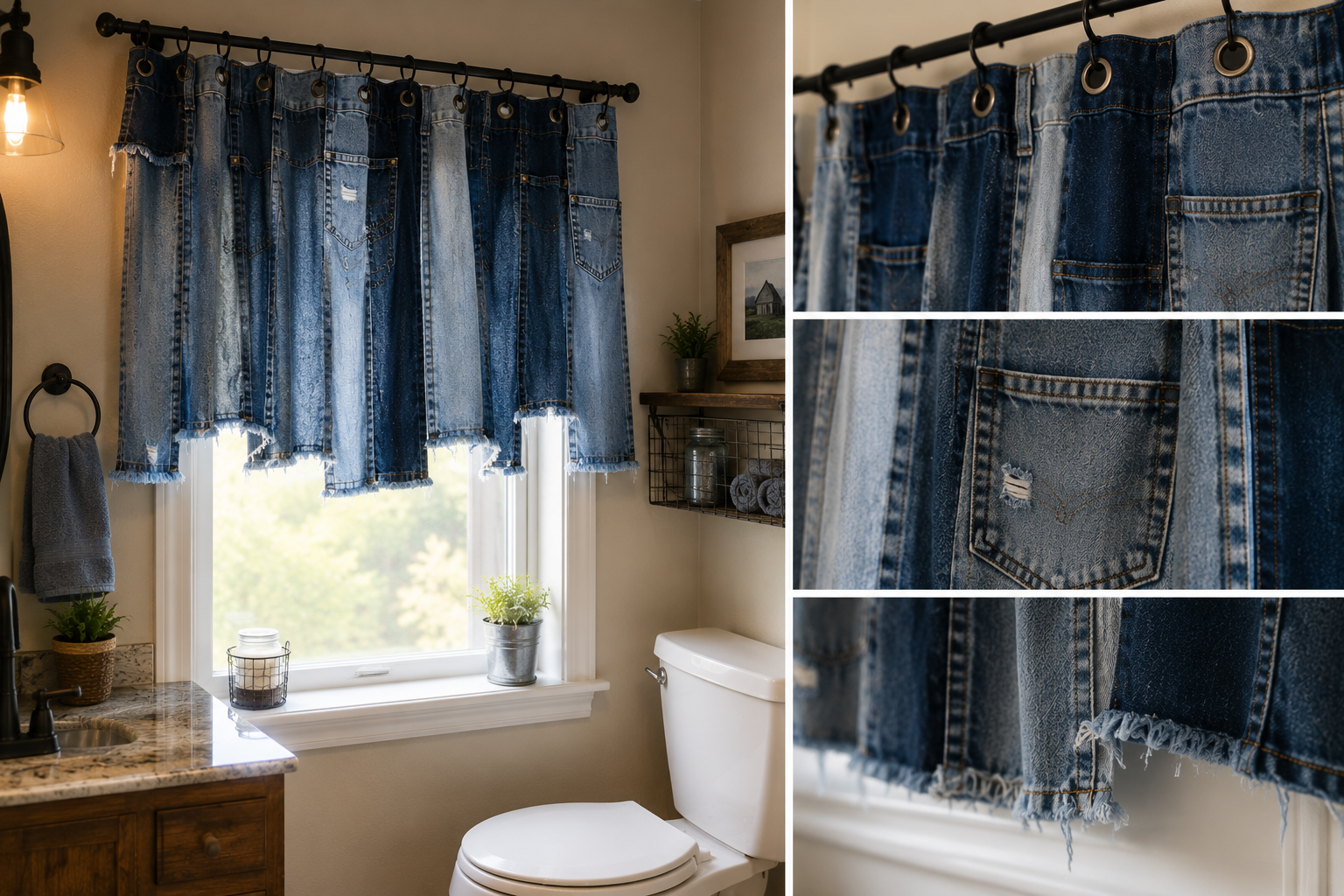
Preparing and Measuring Your Denim
Proper preparation prevents problems like shrinkage. This step might be tedious, but it saves headaches later. Accurate measurements ensure you have enough fabric.
Washing and Deconstructing the Jeans
Start by washing jeans in hot water with regular detergent. This pre-shrinks the denim. Dry them completely in a hot dryer to maximize shrinkage before cutting.
Once dry, start deconstructing each pair carefully. Remove metal buttons, rivets, and zippers with pliers or a seam ripper. Cut along seams to separate the legs, waistband, and pocket areas into flat pieces.
Save interesting details like back pockets and belt loops for embellishments later. Press each denim piece to remove wrinkles. Stack similar shades together to stay organized.
Calculating Fabric Needed for Your Windows
Measure your window width and desired length. Multiply the width by 1.5 or 2 for fullness that looks good when closed. Add six inches to the length for hem and rod pocket allowances.
One pair of adult jeans gives about two to three square feet of fabric. Divide your total fabric area by this amount to estimate jeans needed. It's wise to have extra pairs as backup.
Make a simple sketch of how you'll arrange denim pieces. This visual plan helps you see your design. Planning ahead makes sewing smoother.
Sewing Your Denim Curtain Panels
Now, your curtains start to take shape. Working with denim takes patience. Take your time with each seam, and remember, small imperfections add charm.
Connecting Denim Pieces for Full Coverage
Arrange denim pieces according to your sketch before sewing. Pins pieces right sides together and sew with a half-inch seam allowance using a straight stitch. Backstitch at the beginning and end of each seam for durability.
Press seams open as you work. This reduces bulk and helps panels hang straight. Continue joining pieces until you reach your desired width and length.
For patchwork, cut denim into uniform rectangles or squares. Sew them in rows first, then connect the rows together. This method creates visual interest and uses all fabric efficiently.
Creating Rod Pockets or Adding Curtain Rings
A traditional rod pocket involves folding the top edge down three to four inches and sewing across. This creates a tunnel for your curtain rod. Make sure the pocket is wide enough for your specific rod diameter plus a little extra room for easy movement.
Alternatively, attach clip rings for a simpler installation method. Space rings every four to six inches along the top edge. This option makes curtains easy to remove for cleaning and offers adjustability for perfect length.
Finish the bottom hem by folding up two inches, pressing, then folding again and sewing. A double-fold hem provides weight that helps curtains hang nicely. Some people prefer leaving the bottom edge raw for a casual, frayed look that softens over time.
Creative Styling Ideas and Finishing Details
Personal touches make basic curtains unique. This stage lets your creativity shine. Don't be afraid to try unexpected combinations that reflect your unique personality and home décor style.
Incorporating Jean Pockets as Decorative Elements
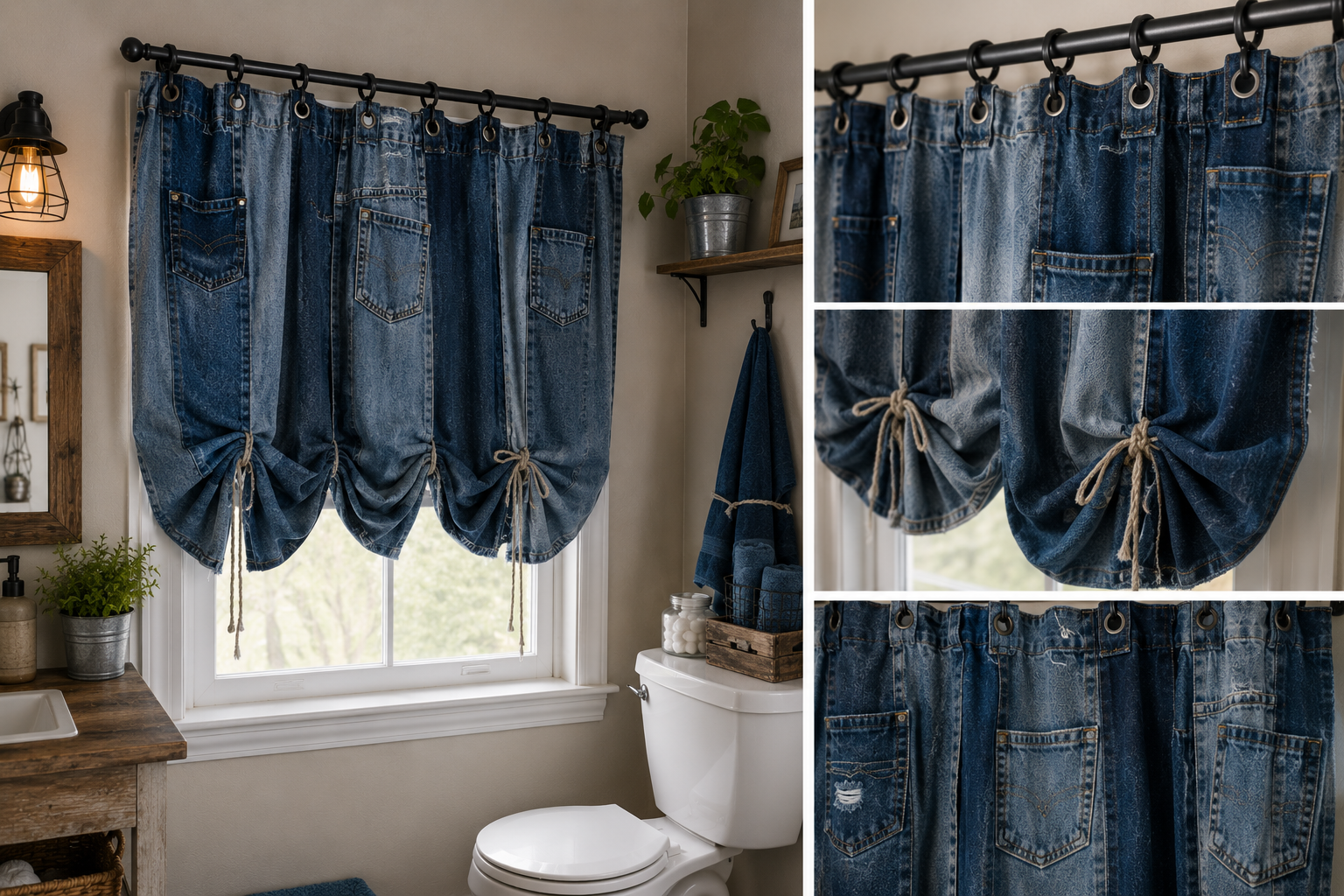
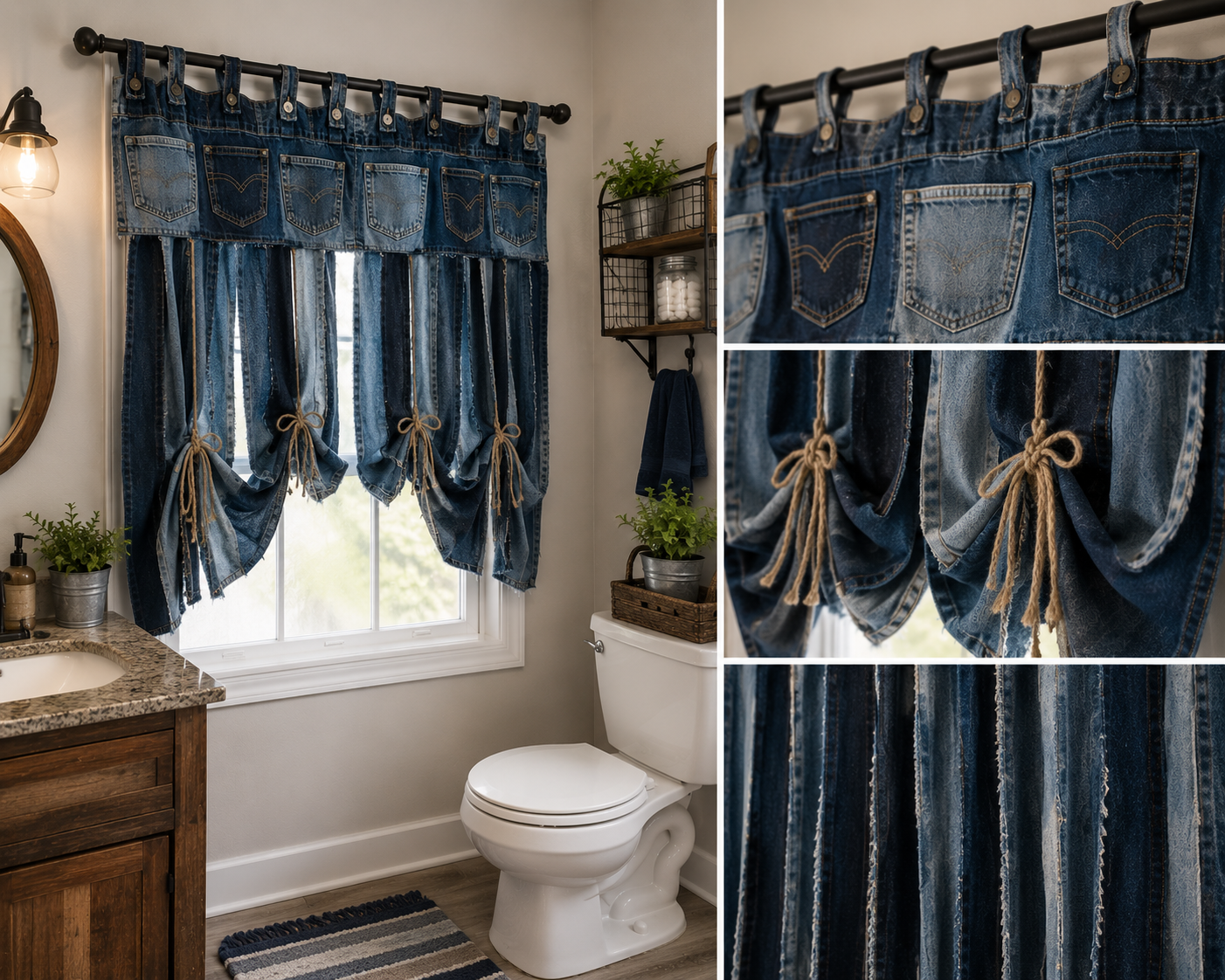
Jean pocket curtains offer charm and functionality that guests always notice. Attach back pockets to the front surface of curtain panels at various heights for visual interest. These functional pockets can hold small plants, remote controls, or decorative items.
Position pockets strategically near the edges or create a pattern across the entire panel. You can keep the original pocket stitching visible for authentic denim character. Fill pockets with dried flowers, fairy lights, or colorful fabric pouches for seasonal decorating options.
Front pockets from jeans work wonderfully as smaller accent details. Arrange them in groups or scatter them randomly for a playful, eclectic appearance. Kids especially love curtains with pockets for hiding treasures or displaying their artwork.
Adding Trim, Fringe, or Contrasting Fabrics
Colorful ribbon or decorative trim along curtain edges adds polish and ties into your room's color scheme. Sew grosgrain ribbon, rickrack, or lace trim along vertical or horizontal seams for elegant contrast. Choose colors that complement your existing décor or add an unexpected pop of brightness.
Create fringe by cutting vertical slits along the bottom edge about three inches deep. Spacing cuts half an inch apart produces full, flowing fringe. Wash the curtains once after cutting to encourage natural fraying that enhances the relaxed denim aesthetic.
Mix in strips of coordinating cotton fabric between denim sections for added softness and dimension. Floral prints, stripes, or solid colors break up the denim's weight visually. This technique stretches your denim supply further while creating custom designer looks.
Consider adding vintage buttons down vertical seams or attaching decorative belt loops across the top edge. These small details celebrate the jeans' origins while making your curtains truly unique. Let your imagination guide you toward finishes that make you smile every time you see them.
Conclusion
Starting your journey with vintage denim window coverings opens a world of creativity. Each curtain made from old jeans has a story to tell. You've learned how simple materials can turn into stunning home decor that everyone will love.
This project is more than just for your windows. You've picked up skills for many upcycling projects. That old jacket could become throw pillows, and worn-out shirts can be table runners. Your home becomes a place for sustainable creativity.
Your new window treatments are more than just decorations. They show your dedication to reducing waste and saving money. The unique texture and character of denim add warmth to any room. These aren't just any curtains; they're personal pieces that show your style and values.
Don't be shy to share your vintage denim window coverings with others. Your project might inspire your neighbors to start their own upcycling projects. Post photos online or invite friends over to see your work. Each conversation about your curtains made from old jeans helps spread the word about sustainable living.
Your windows now have unique treatments that are both functional and eco-friendly. You've shown that beautiful home decor doesn't need new materials or a big budget. Keep finding creative ways to give old items new life in your home.