Craft Chic Flower Pots from Repurposed Fabric Softener Bottles
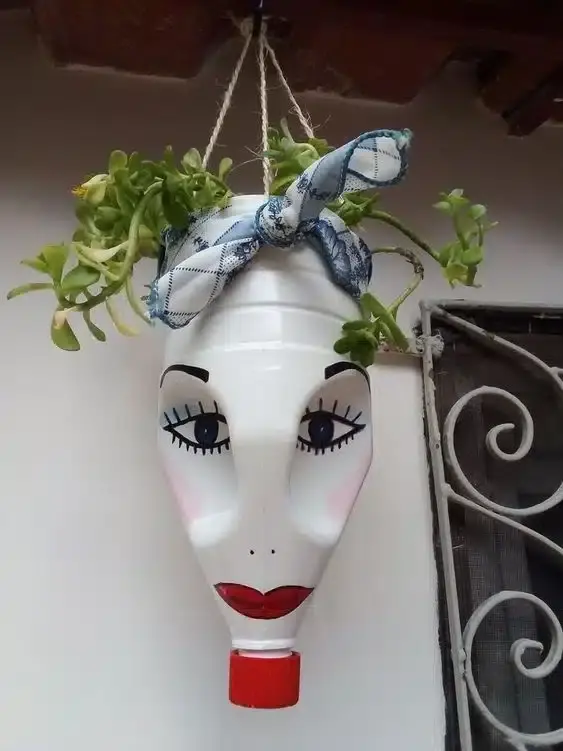
Those empty plastic containers under your sink hold incredible potential. Instead of tossing them in the recycling bin, you can transform them into beautiful planters that brighten your home.
This creative project combines environmental responsibility with artistic expression. You'll discover how simple it is to create stunning eco-friendly DIY flower pots that cost almost nothing.
Sustainable crafting has become a popular movement, and upcycling is at its heart. These upcycled fabric softener bottle planters offer endless customization options. You can paint them, wrap them, or decorate them to match any style.

No special skills are required for this beginner-friendly project. Whether you want herbs on your kitchen windowsill, succulents on your desk, or colorful flowers on your patio, these versatile containers work beautifully.
You'll give new life to something destined for the landfill while creating functional garden décor. This budget-friendly approach proves that sustainable living can be both practical and stylish.
Why Upcycle Fabric Softener Bottles into Planters
Turning fabric softener bottles into flower pots is a smart move. It's a mix of saving money, being eco-friendly, and adding style to your garden. This DIY project is not only fun but also helps the planet.
Environmental Benefits of Repurposing Plastic Bottles
American homes throw away a lot of plastic every year. Families use four to six fabric softener bottles each year. Sadly, these bottles can take up to 450 years to break down in landfills.
By upcycling these bottles, you help reduce plastic waste. Making new plastic from scratch uses oil and pollutes the air. Every bottle you reuse means less plastic waste.
Upcycling shows how we can use things over and over again. It's a key part of the circular economy. You're giving old plastic a new life instead of throwing it away.
This approach to gardening is not just good for the planet. It's also a way to make a difference. Even one bottle can help reduce plastic pollution. When many people do this, the impact is huge.
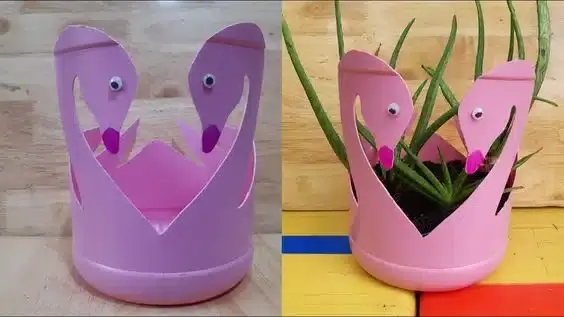
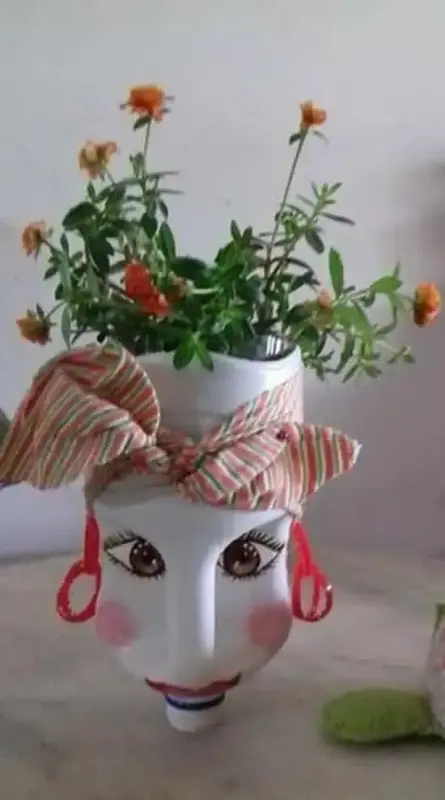
Via: artesanatocomgarrafapet.net
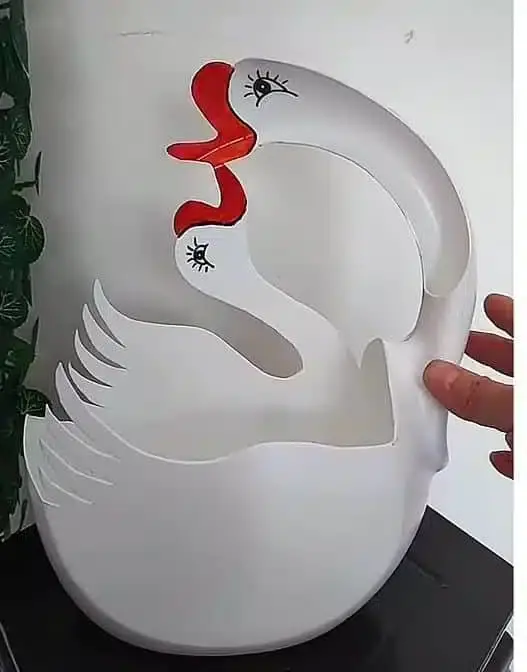
Cost-Effective Alternative to Store-Bought Pots
Buying planters from stores can be expensive. They cost between five to twenty dollars each. For a big garden, this adds up fast.
But, you can make your own planters from fabric softener bottles for free. You already have the bottles from your laundry. You just need some paint or fabric to decorate them.
This is especially good for gardeners who need lots of pots. You can save a lot of money by making your own planters. This is especially true when you start seeds for spring.
By using bottles from your laundry room, you can save a lot of money. You can make a beautiful garden without spending a lot. This is even better when you use other plastic containers too.
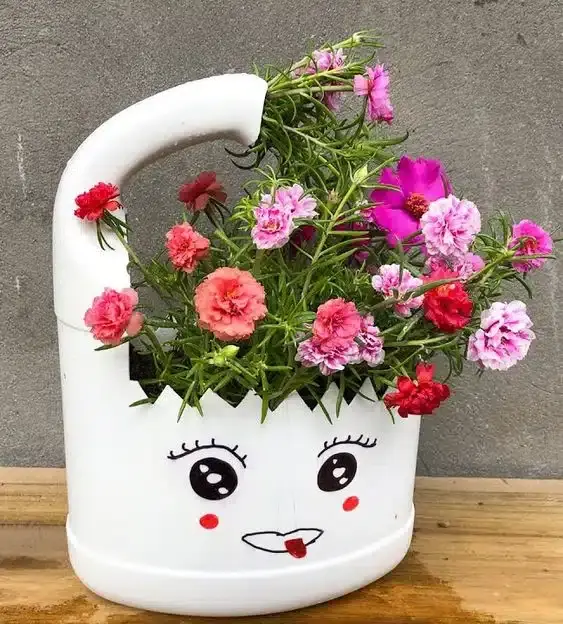
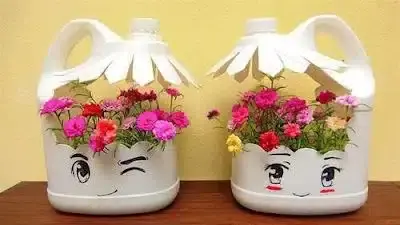
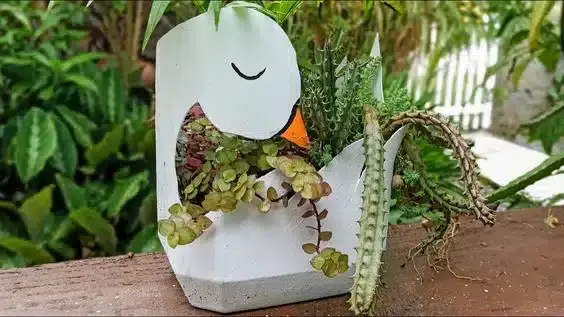
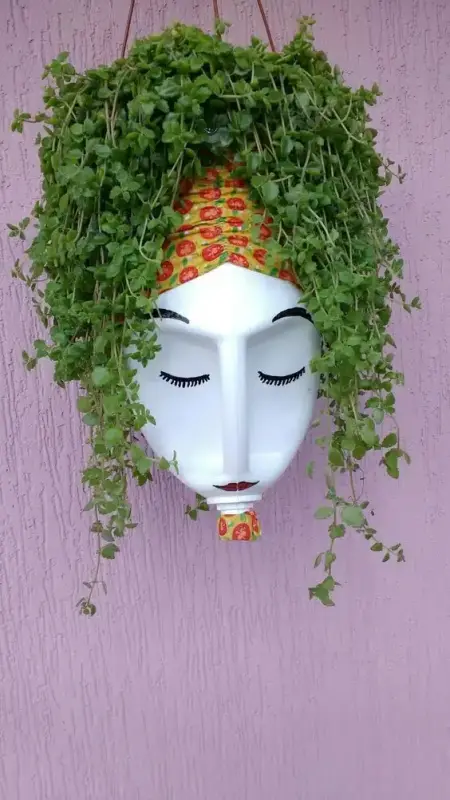
Creative Customization Possibilities
Fabric softener bottles are great for getting creative. You can decorate them in many ways to match your style. This makes each planter unique and special.
You can use paint, fabric, or decoupage to decorate them. This lets you create planters that fit your home's look perfectly. Whether you like simple or colorful designs, you can make it happen.
These DIY planters can match your home's style perfectly. You can keep it simple or go for something bold. It's all up to you.
You can also make them work better for your plants. You can choose how big they are and how they drain. This makes your planters both beautiful and practical.
Later, we'll show you how to decorate your bottles step by step. You'll see how easy it is to make planters that show off your style. Whether you like farmhouse, modern, or bohemian, you can make it happen.
How to Make Flower Pots Made from Fabric Softener Bottles
Ready to turn that empty fabric softener bottle into something amazing? Let's dive into the step-by-step process. This tutorial will guide you through creating beautiful homemade flower pots from plastic bottles that look professionally crafted. You don't need special skills or expensive tools to get started.
The entire project takes about an hour from start to finish. Most of that time is spent on decoration and drying. You'll be surprised at how simple the process really is.
Materials and Tools You'll Need
Gathering your supplies first makes the project flow smoothly. Here's everything you'll need for creating repurposed plastic bottle plant pots:
Essential supplies include: empty fabric softener bottles in any size, sharp scissors or a craft knife, and a permanent marker for marking cut lines. You'll also need a drill with a small bit or a heated nail for drainage holes. Sandpaper helps smooth rough edges after cutting.
Decoration materials depend on your style: spray paint designed for plastic, acrylic paints with primer, or chalk paint for a matte finish. Consider burlap, fabric scraps, or jute rope for wrapping. Decoupage medium like Mod Podge works great with decorative papers.
Most of these items are probably sitting in your garage or craft closet right now. The beauty of this project is using what you already have.
Step 1: Clean and Prepare Your Fabric Softener Bottle
Proper preparation ensures your finished planter looks polished and professional. Start by rinsing the bottle thoroughly with warm soapy water. Remove all fabric softener residue from inside and outside surfaces.
Fill your sink with warm water and let the bottle soak for 15 minutes. This softens the adhesive on labels, making them easy to peel off completely. Stubborn residue comes off with a little rubbing alcohol on a cloth.
Dry the bottle completely before moving to the next step. Any moisture can interfere with paint adhesion later. Set it aside for at least 30 minutes or use a towel to speed up the process.
Step 2: Cut the Bottle to Your Desired Shape
This step lets you customize the size and style of your planter. Use your permanent marker to draw a cutting line around the bottle. Popular designs include: cutting horizontally in half for traditional pot shapes, angled cuts for modern asymmetrical planters, or scalloped edges for whimsical appeal.
Cut slowly and carefully using sharp scissors or a craft knife. Plastic can crack if you rush. Work on a protected surface and keep fingers away from the blade path.
Smooth all cut edges with sandpaper once you finish cutting. Run your finger along edges to check for rough spots. This safety step prevents cuts and creates a finished look.
Step 3: Create Drainage Holes
Drainage is crucial for healthy plants. Without proper drainage, water accumulates at the bottom and causes root rot. Your DIY container needs several small holes in the base.
Use a drill with a 1/4-inch bit to create 4-6 evenly spaced holes. If you don't have a drill, heat a nail over a flame using pliers to hold it. Push the heated nail through the plastic bottom carefully.
Work in a well-ventilated area if using the heated nail method. The melting plastic produces fumes. Wear safety glasses to protect your eyes from any plastic fragments.
Step 4: Decorate and Personalize Your Planter
Now comes the fun part where your creativity shines through! This is where basic bottles transform into stunning repurposed plastic bottle plant pots. The decoration possibilities are endless, so choose methods that match your home's style and your skill level.
Eco-conscious flower pot crafting means using materials you already own whenever possible. Leftover paint, fabric scraps, and old magazines all work beautifully. Let's explore three popular decoration techniques.
Painting Techniques for Plastic Surfaces
Spray paint delivers the smoothest, most professional finish. Choose paint specifically formulated for plastic surfaces. Apply several thin coats rather than one thick coat to prevent drips and runs.
Acrylic paint works well when you apply a plastic primer first. This base coat helps paint adhere properly and prevents peeling. Chalk paint creates a trendy matte finish without primer.
Try creative painting ideas like ombre effects that blend two colors. Geometric patterns using painter's tape look modern and clean. Stenciled designs add intricate details without requiring artistic skills.
Adding Fabric or Rope Wrapping
Wrapping adds texture and hides any imperfections in the bottle. Start at the bottom and work your way up, securing material with hot glue or strong fabric adhesive. Pull the wrapping tight as you go to prevent sagging or bunching.
Burlap creates a rustic farmhouse look that pairs beautifully with herbs and wildflowers. Colorful fabric scraps bring bohemian vibes to your space. Natural jute rope offers coastal cottage charm.
Overlap each row slightly to avoid gaps. Trim excess material at the top for a clean finish. Seal the final edge with an extra dab of glue.
Using Decoupage Methods
Decoupage lets you transfer beautiful patterns from paper to your planter. Apply a thin layer of Mod Podge or similar medium to the bottle surface. Press decorative napkins, scrapbook paper, or pressed flowers onto the wet medium.
Smooth out air bubbles gently with your fingers or a soft brush. Work from the center outward to push bubbles toward the edges. Let this layer dry completely before proceeding.
Apply 2-3 coats of decoupage medium over the top to seal your design. This protective layer makes the planter water-resistant and durable. Allow 24 hours of drying time before using.
Step 5: Fill with Soil and Plant Your Flowers
Your decorated planter is ready for its most important job—supporting plant life! Choose quality potting soil rather than garden dirt. Potting mix drains better and contains nutrients plants need for container growth.
Fill your fabric softener bottle container gardening project about two-thirds full with soil. Leave space at the top for watering without overflow. Tap the container gently to settle soil and eliminate air pockets.
Select plants that thrive in containers this size. Herbs like basil, parsley, and thyme grow beautifully in small spaces. Flowering annuals such as petunias, marigolds, and pansies add color to patios and windowsills.
Succulents make excellent low-maintenance choices for beginners. They require minimal watering and tolerate various light conditions. Create your own arrangement by combining different succulent varieties in one planter.
Water your newly planted creation thoroughly until water drains from the bottom holes. Place your finished homemade flower pots from plastic bottles in a location with appropriate light for your chosen plants.