
Garden
Decorate your garden with these ideas and boost curb appeal
August 25, 2026 · Karen Mitchell
See the idea →Explore garden edging, upcycled planters, and patio seating, with ideas for organizing outdoor spaces around plants and everyday use.
August 25, 2026 · Karen Mitchell
See the idea →
August 6, 2026 · Karen Mitchell
See the idea →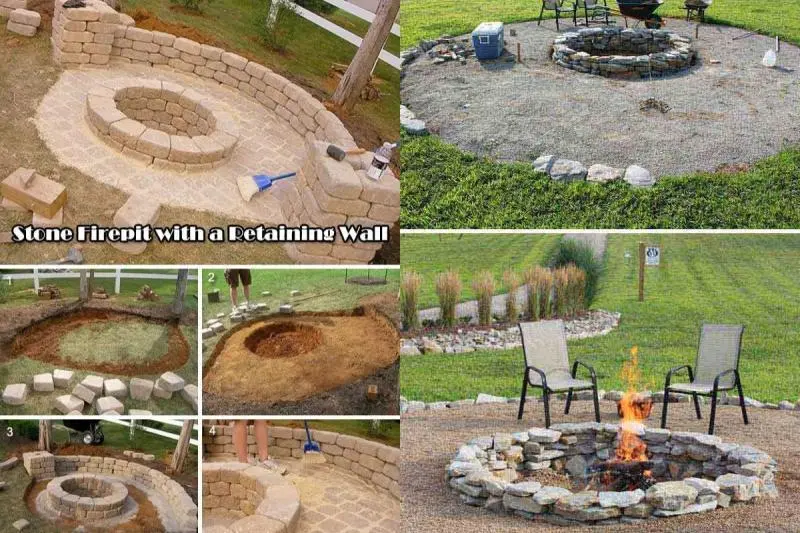
February 9, 2026 · Karen Mitchell
See the idea →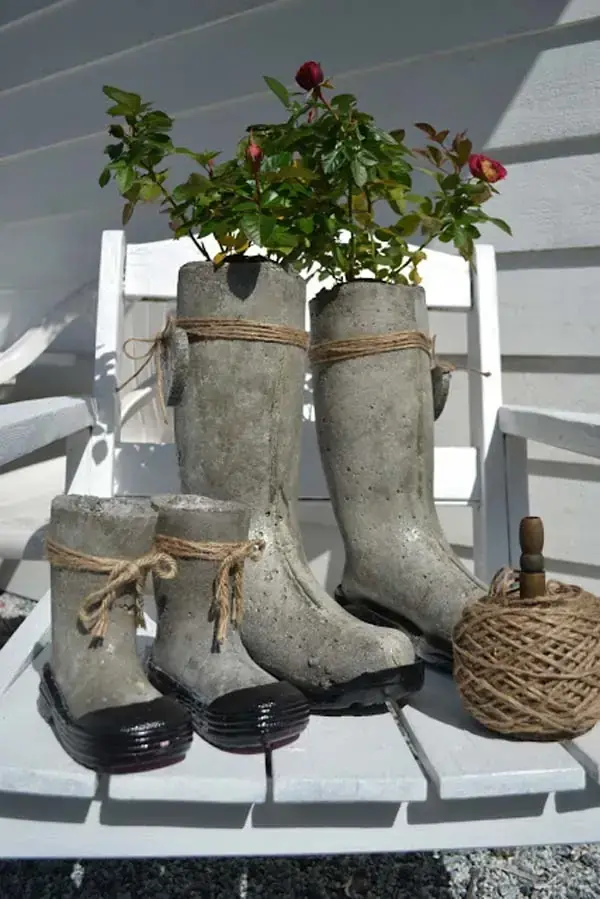


March 12, 2024 · Karen Mitchell
See the idea →

February 4, 2024 · Karen Mitchell
See the idea →Start at the part of the garden people approach first. Look at the path, the planting edges, and any containers beside the entrance as one arrangement. These garden edging ideas help compare decorative borders with simpler ways to separate a bed from the lawn. Choose an edge that leaves access for mowing and tending plants rather than creating a narrow strip you cannot reach.
A monogram planter can serve as an accent near the entry. Check its proportions against the doorway and surrounding pots before choosing a design. Keep the walking route clear, and select plants according to the light that actually reaches the spot.
Where ground space is limited, vertical garden ideas move containers upward on a patio or balcony. Check how you will water the upper plants and where runoff will go. A filled planter weighs more than an empty one, so use supports suited to the wall and the wet load.
For ground-level planting, compare concrete block garden beds with separate containers. A bed needs a location you can reach from its edges, while pots can be arranged around existing features. The upcycled garden pot ideas use jars, tins, and other castoffs. Inspect sharp edges and plan drainage before planting. Choose container sizes for the plants rather than treating every found object as interchangeable.
A patio needs room for people as well as plants. The outdoor seating ideas include quiet nooks and larger lounging arrangements. Place chairs where their occupants can move around them, then add nearby pots or garden accents. Avoid filling the route between the house and the seats with decorative objects.
If you are considering a heat source, compare the wood-burning, gas, and compact options in these patio fire feature ideas. Follow the manufacturer's placement and clearance requirements, keep combustible decor away, and have gas or electrical installation handled by a qualified professional. Pergolas, decks, and other structural additions also need professional assessment. A decorative plan should leave enough space for watering, maintenance, and ordinary outdoor use.